[ad_1]
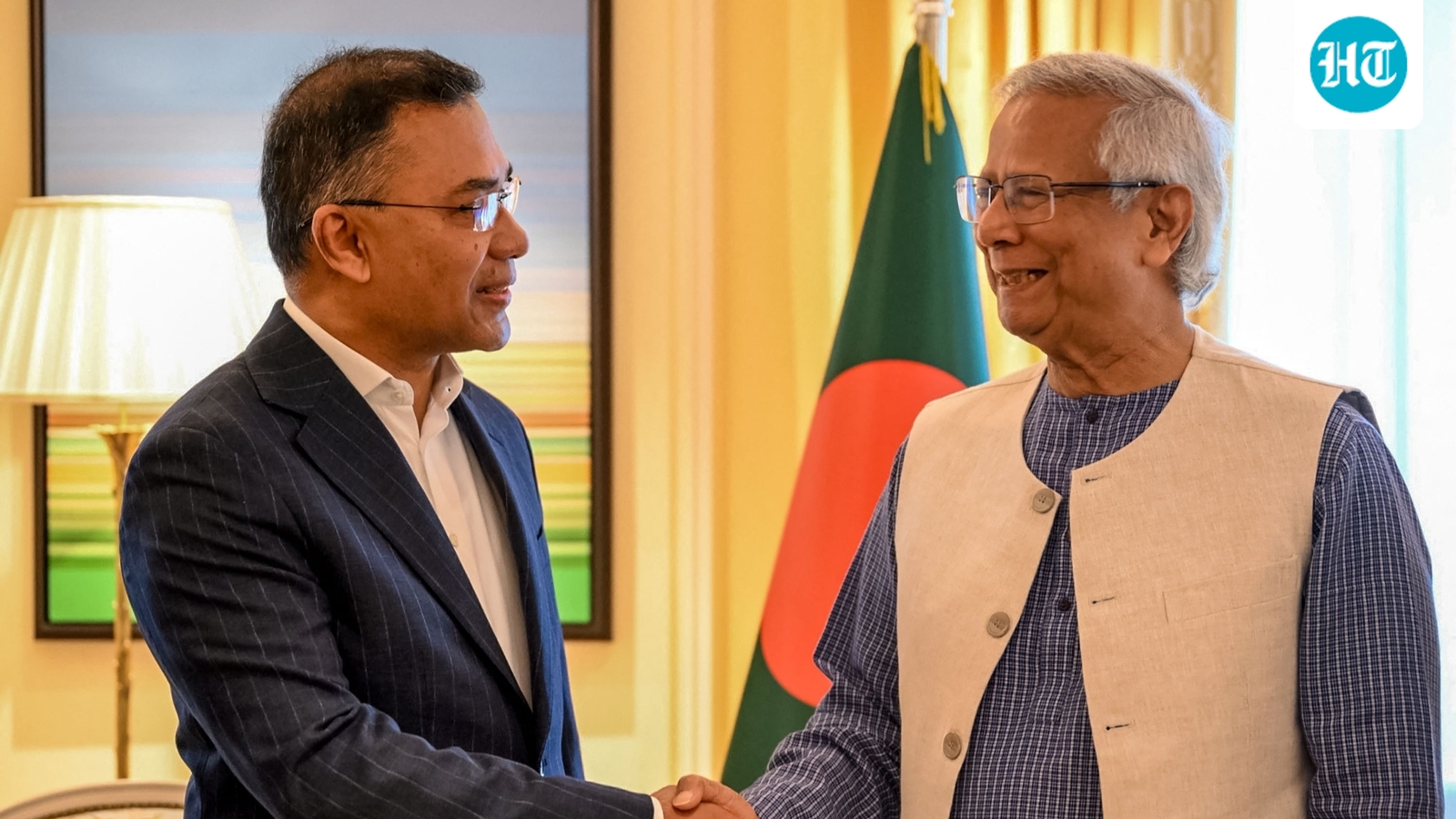
After nearly 17 years in self-imposed exile in London, Tarique Rahman, the acting chairman of the Bangladesh Nationalist Party (BNP), is scheduled to return to Dhaka on December 25, ahead of national elections due in February 2026.

Often described as the “crown prince” of Bangladeshi politics, Tarique Rahman is the eldest son of the country’s founding military ruler and former president Ziaur Rahman and former prime minister Khaleda Zia, the BNP chairperson who served three terms in office.
His return comes at a moment of heightened political tension, marked by violence, arrests and debates over the direction of the interim government.
From political heir to exile
Tarique Rahman emerged as a powerful figure within the BNP in the early 2000s, widely seen as his mother’s political heir.
However, his career was derailed amid a turbulent period in Bangladeshi politics. He spent around 18 months in jail before being released in September 2008 and subsequently left for the United Kingdom with his family.
Since then, he has lived abroad, formally remaining in exile while continuing to influence party strategy from London.
Despite his absence, Rahman retained a central role within the BNP and was later appointed its acting chairman. Supporters credit him with keeping the party intact through years of political repression, while critics accuse him of symbolising dynastic politics.
Return amid unrest and security concerns
Rahman’s planned homecoming coincides with a volatile law-and-order situation. Bangladesh has witnessed attacks on media houses and cultural organisations following the killing of protest leader Sharif Osman Hadi.
Authorities say at least 31 suspects have been identified and several arrested.
The interim government led by Muhammad Yunus has held high-level security meetings to review the situation, including preparations for Rahman’s return, Christmas and New Year celebrations, and the upcoming elections.
Yunus has vowed to keep law and order “normal at any cost” in the run-up to the polls.
Media outlets such as Prothom Alo and The Daily Star were among those attacked, prompting widespread condemnation and raising concerns over press freedom.
Tarique Rehman’s political future
With the Bangladesh Awami League, the party of former prime minister Sheikh Hasina, barred from contesting the election, the BNP is widely seen as the frontrunner unless there is a major upset. Analysts say Rahman’s physical presence could energise the party’s campaign, which has already gained momentum.
The BNP has also had a complicated relationship with the interim government, with party leaders arguing that Yunus was pressured into announcing elections after months of deadlock.
Rahman has positioned himself as a champion of democracy and a return to elected rule, telling party workers earlier this month that “only democracy can save us.”
One of Rahman’s most prominent recent interventions has been on foreign policy. In May, he questioned the interim government’s mandate to make long-term diplomatic decisions and articulated a “Bangladesh First” approach—summed up by the slogan: “Not Delhi, not Pindi, Bangladesh before everything.”
This stance contrasts with Yunus’s outreach to Pakistan and departs from Sheikh Hasina’s strategy of close ties with India while balancing relations with China.
[ad_2]