[ad_1]
India’s rising heatwave crisis is no longer only a weather emergency, it is becoming a growing public health threat with serious consequences for multiple organ systems.
According to National Crime Records Bureau (NCRB) data, 20,615 people died from heatstroke between 2001 and 2020, while National Disaster Management Authority (NDMA) estimates place the toll at 17,767, suggesting persistent underreporting. The India Meteorological Department (IMD) declared 176 heatwave days in 2024, more than double the 85 days recorded in 2001, reflecting how prolonged extreme heat is reshaping health risks nationwide.
Medical experts say India’s 2026 heatwaves, with temperatures hitting 45°C amid El Niño, is now silently affecting cardiovascular stability, kidney function and hormonal health, especially among vulnerable groups such as the elderly, outdoor workers and those with chronic diseases.
Heart Under Pressure
Extreme heat places significant strain on the cardiovascular system, primarily through dehydration and electrolyte imbalance.Dr. Sunil Kumar Mandal, Consultant Cardiologist, Kailash Hospital, Greater Noida, said heatwaves can trigger severe cardiovascular stress by causing dehydration, peripheral vasodilation and mineral loss. He explained that as blood pressure drops, the heart is forced to pump harder to maintain circulation, increasing the burden on patients with hypertension or heart failure.
He further added that this additional strain can disrupt heart function and raise the risk of arrhythmias and acute cardiac events. Warning signs such as chest discomfort, extreme fatigue, dizziness, palpitations, breathlessness or swelling in the limbs should not be ignored, as they may indicate worsening cardiovascular complications requiring urgent care.
Heat’s Hidden Impact on Kidneys
The kidneys are particularly vulnerable during prolonged heat exposure because dehydration directly reduces blood volume and filtration efficiency.
Dr. Mandal said the body depends on adequate hydration to maintain kidney function, but sustained heat exposure can sharply reduce plasma volume and blood flow to the kidneys. This can significantly increase the risk of acute kidney injury (AKI), especially among people with chronic kidney disease.
He further noted that repeated heat stress can inflame kidney tubules and worsen damage in vulnerable populations such as outdoor labourers, older adults and those with multiple health conditions. Reduced urine output, dark urine, fatigue or confusion may all signal serious kidney distress.
Hormones and Metabolism Also Suffer
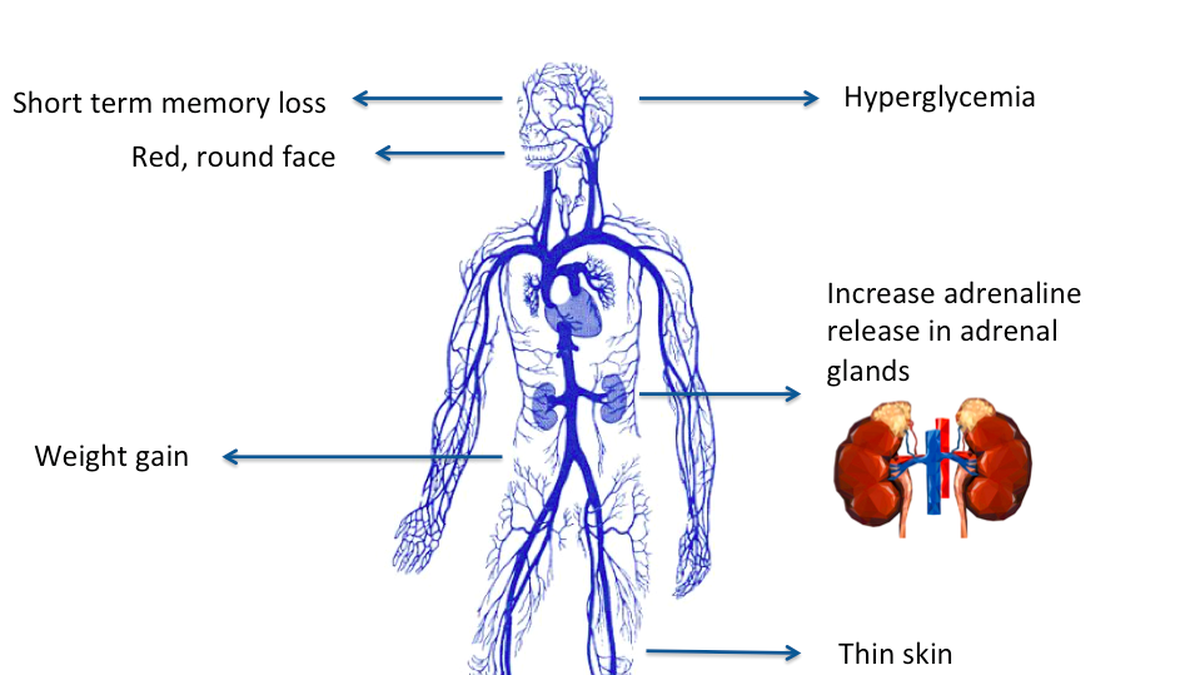
Heat stress can also disrupt the endocrine system, affecting metabolism, thyroid activity and blood sugar regulation.Dr. Bhumesh Tyagi, Senior Consultant, Internal Medicine, ShardaCare-Healthcity, said extreme heat activates the body’s stress response, raising cortisol levels that can interfere with sleep, metabolism and immunity.
He added that heat may also slow thyroid function and disrupt insulin activity, making blood sugar levels more unpredictable. This is particularly dangerous for diabetics, who may experience sudden glucose fluctuations during periods of intense heat. Elderly individuals and people with thyroid disorders or chronic illnesses may also struggle more because their bodies adapt less efficiently to temperature extremes.
Daily Protection Can Prevent Serious Damage
While heatwaves are becoming more intense, experts stress that preventive action can significantly reduce health risks. Dr. Chirag Tandon, Director – Internal Medicine, ShardaCare-Healthcity, said consistent hydration remains the most critical defense, as water supports temperature regulation, kidney filtration and circulation. He advised that people should not wait for thirst and should instead maintain regular fluid intake through water, oral rehydration solutions or electrolyte-supporting drinks.
He further added that limiting outdoor exposure between 12 pm and 4 pm, wearing breathable clothing and maintaining medication discipline are especially important for people managing diabetes, blood pressure or thyroid conditions. A light, balanced diet rich in fruits, vegetables and essential salts can also help preserve electrolyte and hormonal balance.
A Growing National Health Emergency
As India experiences longer and more frequent heatwaves, doctors warn that heat-related illness extends far beyond dehydration or heatstroke alone. The cumulative burden on the heart, kidneys and endocrine system is becoming an increasingly urgent challenge.
With temperatures climbing year after year, experts say awareness, prevention and early symptom recognition may prove just as critical as climate adaptation itself.
[ad_2]