[ad_1]
Symptoms like pain, swelling, blurred vision, or light sensitivity could point to infection or minor scratches and need a doctor’s attention.
Published May 04, 2026 | 7:00 AM ⚊ Updated May 04, 2026 | 7:00 AM

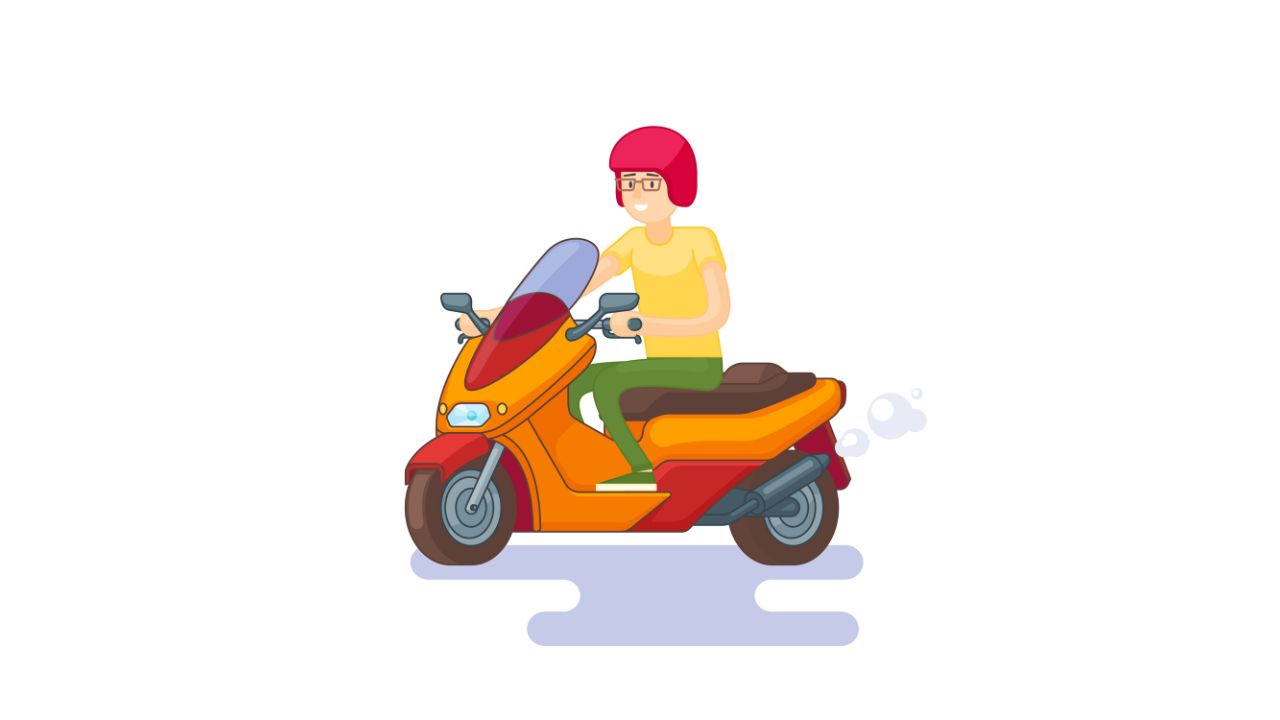
An illustration of a two-wheeler driver.
Synopsis: As Chennai enters its peak summer, daily two-wheeler commuters are facing constant eye irritation from hot winds and dust, often ignoring early warning signs. Doctors caution that simple protective habits and avoiding peak-hour exposure can help prevent more serious eye problems during this intense heat.
Chennai has its most intense stretch of summer from early May through June, marked by scorching heat, high humidity, and the Agni Nakshatra period — considered the peak of the season.
With temperatures frequently hovering between 35°C and 40°C, the city feels at its harshest, especially for those who spend hours commuting outdoors.
For daily two-wheeler commuters, the first signs often show up in the eyes—stinging, dryness, and constant irritation from hot winds and dust.
For them, this isn’t occasional discomfort but a routine part of surviving the city’s peak summer.
Also Read: Monsoon-driven “moist heatwaves” pose hidden health risk across India
When the heat hits your eyes
For two-wheeler riders, the strain often starts with the eyes. Hot, dusty winds hit directly during the commute, leaving them irritated by the time they arrive.
Dr MB Dinesh, Senior Cataract & Refractive Surgeon at Maxivision Super Speciality Eye Hospitals, Anna Nagar, said this daily exposure is easy to underestimate.
“During Chennai summers, hot wind and dust constantly hit the eyes, especially for two-wheeler riders,” he explained to South First.
He noted that mild irritation usually settles after washing up and spending some time indoors. But if redness, burning, or watering keeps returning, it shouldn’t be brushed aside.
Symptoms like pain, swelling, blurred vision, or light sensitivity could point to infection or minor scratches and need a doctor’s attention.
How dehydration worsens eye strain
Speaking to South First, R Sundararaman, Senior Consultant in Internal Medicine at SIMS Hospital, described Chennai’s current weather in simple terms.
“Chennai has three types of weather — hot, hotter, and hottest — and right now, we are in the hottest phase.”
Between 11 am and 4 pm, commuters are most vulnerable. Continuous sweating leads to loss of essential electrolytes like sodium and potassium, increasing the risk of dehydration, fatigue, and dizziness.
“Sweating causes loss of electrolytes, so they must be replaced regularly to prevent dehydration.”
He recommended replenishing fluids with ORS, tender coconut, and buttermilk instead of relying only on plain water, especially for those travelling long distances daily.
Also Read: DPH orders free ORS supply, heatstroke preparedness across Tamil Nadu
What you can do: Simple daily protection
According to doctors, for daily riders, small adjustments can go a long way in managing the heat’s impact:
- Use a helmet with a clean visor or wraparound glasses to reduce dust exposure
- Avoid rubbing your eyes after commuting; wash with clean water instead
- Stay hydrated throughout the day, not just after feeling thirsty
- Include ORS, tender coconut, or buttermilk to restore electrolytes
- Try to avoid long outdoor travel during peak heat hours (11 am–4 pm)
- Keep lubricating eye drops handy if you experience dryness
- Skip contact lenses during long rides in extreme heat
(Edited by Muhammed Fazil.)

[ad_2]