[ad_1]
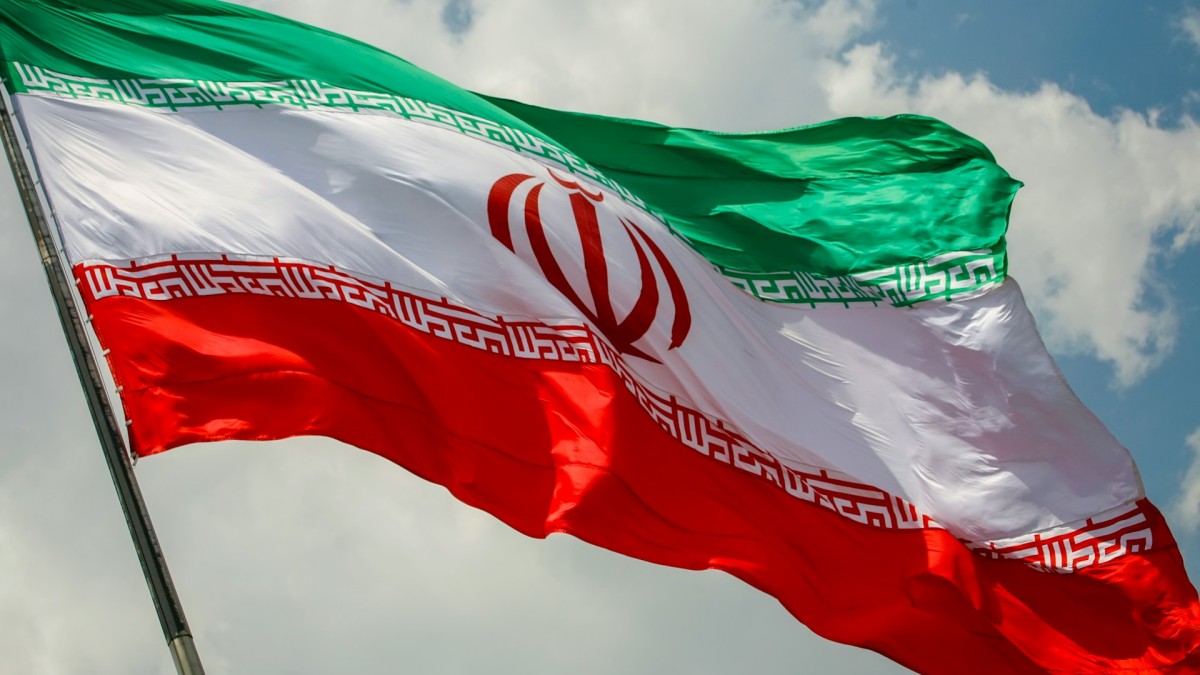
Amid the deepening stalemate in peace talks, Iran has conveyed a fresh proposal to the United States through Pakistani mediators, prioritising reopening the Strait of Hormuz and bringing the ongoing war in West Asia to an end, while deferring contentious nuclear negotiations to a later stage, American news outlet Axios reported.
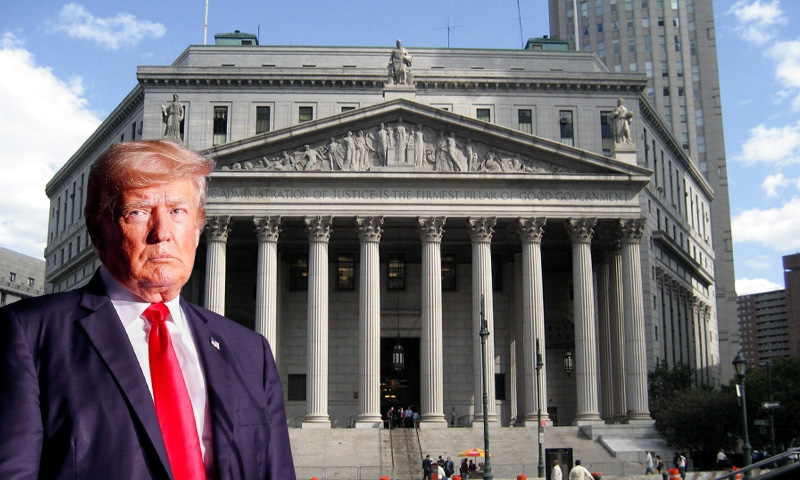
The proposal comes amid stalled peace efforts, with US President Donald Trump saying Tehran could “call” Washington if it wants to negotiate, while reiterating that Iran must never acquire nuclear weapons. Talks appeared to falter after Washington scrapped a planned visit by envoys Steve Witkoff and Jared Kushner to Islamabad, signalling dissatisfaction with Tehran’s earlier offer.
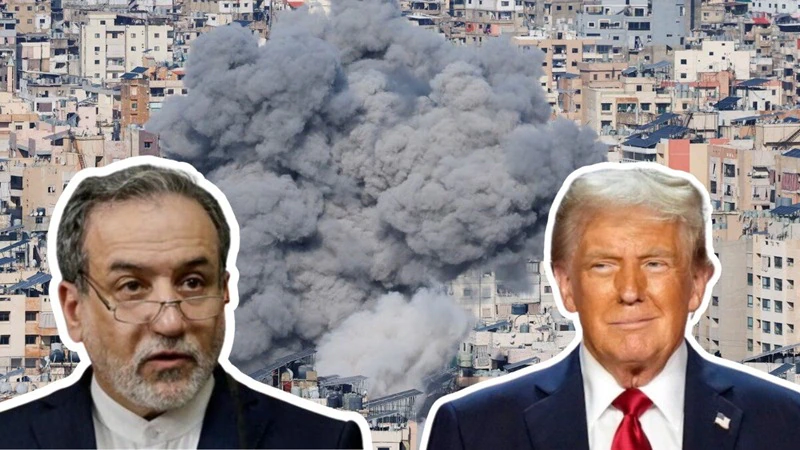
The United States has demanded that Iran suspend uranium enrichment for at least a decade and transfer its existing stockpile out of the country. However, according to the report, Iran’s Foreign Minister and chief negotiator Abbas Araghchi told mediators over the weekend that there is no consensus within the Iranian leadership on how to respond to these demands.
The two-stage plan conveyed via Pakistani mediators prioritises resolving the crisis over the Strait of Hormuz and ending the US blockade first.
The new proposal suggests either extending the ceasefire for a prolonged period or agreeing to a permanent end to the war, with nuclear negotiations to begin only at a later stage, after the strait is reopened and the blockade lifted.
According to Axios, the White House has received the proposal, but it remains unclear whether the United States is willing to explore it.
In the past few days, Araqchi has been shuttling between mediators Pakistan and Oman and is expected to hold further consultations in Russia with Vladimir Putin on Monday.
As the stalemate continued, Trump on Sunday said, “I see no point of sending them (US negotiators) on an 18-hour flight in the current situation. It’s too long. We can do it just as well by telephone. The Iranians can call us if they want. We are not gonna travel just to sit there”.
Despite a ceasefire that halted full-scale military operations following US-Israeli strikes on February 28, no formal agreement has been reached to end the war, which has killed thousands and roiled global markets. Tehran has leveraged its control over the Strait of Hormuz, through which roughly a fifth of the world’s oil supply passes, while the US has imposed a blockade on Iranian ports, fuelling price spikes and market volatility.
Tehran has insisted that Washington first remove “obstacles” such as the maritime blockade before meaningful negotiations can begin. Its demands also include guarantees against renewed military action, compensation and a new legal framework governing the strait.
Meanwhile, the US continues to press Iran to curb its nuclear ambitions, missile programme and support for regional groups such as Hezbollah and Hamas, highlighting the wide gaps that persist between the two sides.
– Ends
Tune In
[ad_2]