[ad_1]
Iran will not participate in a planned second round of talks with the US in Pakistan, state media reported on Sunday, dealing a blow to efforts to extend a fragile ceasefire in a war nearing the two-month mark.
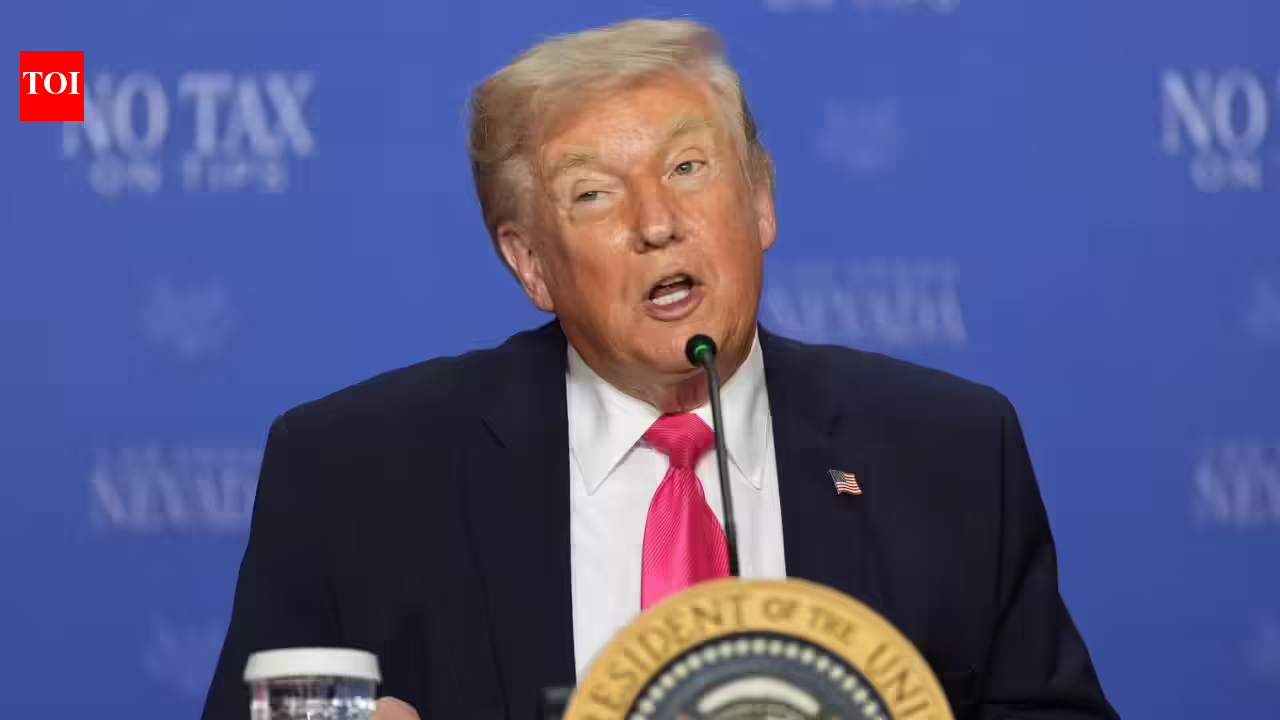
The development, reported by Islamic Republic News Agency, came hours after US President Donald Trump said American negotiators would be in Islamabad on Monday, kindling hopes of a breakthrough before the ceasefire expires on April 22.
Those hopes faded after Tehran confirmed its absence from the talks, squarely blaming Washington’s “excessive demands, unrealistic expectations, constant shifts in stance, repeated contradictions”, and an ongoing US naval blockade of its ports, which it considers a breach of the truce.
At a high-level meeting Sunday, Iran’s First Vice President Mohammad Reza Aref bashed the US approach to negotiations, saying American positions were “childish” and inconsistent — seeking a ceasefire and negotiations under pressure, then adopting a more hardliner attitude afterward.
Earlier, the White House said Vice President JD Vance, who led the first round of marathon talks last week, and other senior officials were gearing up to leave for Islamabad. Pakistan’s already tightened security in its capital in preparation for the talks, which now seem all but scuppered.
Tehran’s decision to skip the talks also marked an abrupt U-turn, considering Iranian sources had told Reuters that a delegation could arrive in Pakistan on Tuesday. In fact, parliament speaker Mohammed Bagher Qalibaf had said there would be “no retreat in the field of diplomacy”. But it appears that fresh threats from Trump may have changed their minds.
In a post on Truth Social on Sunday, Trump threatened to destroy civilian infrastructure in Iran if it doesn’t take the deal that the US is offering. He vowed to end Tehran’s “killing machine”, adding that “the United States is going to knock out every single Power Plant, and every single Bridge, in Iran”.
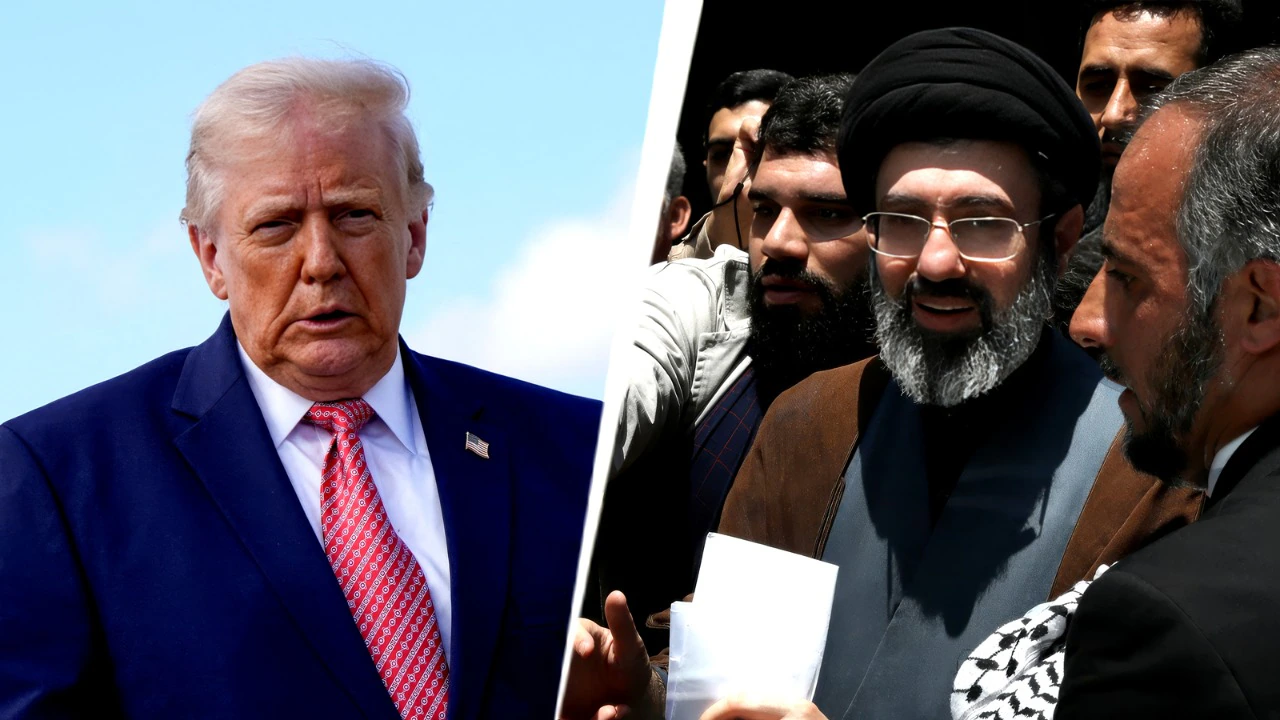
Despite back-channel negotiations, both sides have refused to cede ground on key sticking points, including Iran’s nuclear enrichment programme, its regional proxies like Hezbollah, and control over the Strait of Hormuz. Vance previously said deep mistrust between Washington and Tehran remains the biggest obstacle to peace.
Meanwhile, the Strait of Hormuz remained fraught with powder-keg tensions after Iran announced its closure and warned that any ship approaching it would be targeted. Hundreds of vessels were reportedly stranded at both ends of the waterway, through which around one-fifth of the world’s oil supply passes.
Iran has called the US blockade an “act of aggression”, with foreign ministry spokesperson Esmail Baghaei accusing Washington of violating the ceasefire. Trump, in turn, accused Iran of firing at ships transiting the strait. On Saturday, Iranian gunboats fired on two Indian-flagged merchant vessels, forcing them to turn back.
– Ends
Tune In
[ad_2]