[ad_1]
Open-source projects form much of the foundation of modern software, with many systems used in the industry relying on code written and maintained by volunteers or small teams. Those maintainers often face a heavy workload. They review pull requests, fix bugs, update documentation, and manage security issues. OpenAI is now offering free access to some of its AI coding tools to help open-source maintainers manage that work.
The initiative, called Codex for Open Source, offers eligible maintainers who apply to the programme six months of free ChatGPT Pro access, along with API credits and use of the Codex coding system. The programme opened applications in early March and targets maintainers of used public repositories.
The offer includes access to Codex, a coding model designed to help developers write and review code, understand large codebases, and automate routine development tasks.
OpenAI’s free programme and open-source
OpenAI’s programme provides several tools that may reduce developers’ workloads. Selected maintainers receive ChatGPT Pro access, which includes Codex. They may also receive API credits and limited access to Codex Security, which OpenAI is currently testing in research preview and which can scan code for potential vulnerabilities.
OpenAI describes the programme as support for “the contributors who keep open-source software running.” The company says maintainers can use Codex to review code and understand complex repositories.
Access to Codex Security may depend on the repository and the maintainer’s role. OpenAI notes that the tool may only be granted to maintainers who own or manage the repositories being scanned.
Open-source projects matter to AI companies
Open-source software has become a important part of the AI development ecosystem. Coding models are trained on large collections of publicly available code, regardless of their terms of licence, which provide examples of programming styles and workflows.
Developers have pointed out that these public repositories contain years of contributions from open-source communities. Such projects form a large portion of the software tools and frameworks used in the industry.
That connection has led to growing controversy about whether AI companies should support the communities that produced much of the code used in modern software systems. Programs like Codex for Open Source may represent one approach: offering tools and computing resources to maintainers whose projects are used.
The programme also arrives at a time when maintainers face new challenges from AI-generated contributions. Repositories report a rise in automated pull requests created by coding assistants. In some cases, these submissions require review but do not add meaningful improvements, adding more work for maintainers.
Providing maintainers with AI tools could help them manage that influx of code by automating reviews or identifying low-quality submissions earlier.
Competition around developer tools
The programme also reflects growing competition between AI companies to become part of the software development workflow.
Coding assistants have expanded quickly over the past two years. Tools like Codex can generate code and run tests, and edit files. In many cases, they can work in multiple files and repositories.
Developer platforms are becoming an important area of competition for AI vendors. Offering free access to maintainers may help companies build stronger relationships with open-source communities. Many of those communities maintain libraries and frameworks used in the industry.
Other AI firms have introduced programmes that give open-source developers access to coding tools or model credits. These initiatives often aim to attract maintainers whose projects influence large developer ecosystems.
OpenAI’s and project maintenance
The appeal of such tools lies in reducing repetitive work. Reviewing contributions, triaging bugs, and writing documentation can take time. AI systems may help small teams manage projects used by thousands of developers.
Security is another area where automation may help. Codex Security, which is part of the broader program, is designed to analyse code and identify complex vulnerabilities that might be missed during manual review.
Some open-source projects have already tested these tools in their normal workflow. Early users reported using them to scan codebases and flag potential security issues that could then be reviewed by human maintainers.
Even with AI assistance, maintainers still decide which changes are accepted. Coding agents may generate suggestions or patches, but maintainers remain responsible for reviewing and approving those updates.
OpenAI’s free coding tools and developers
The launch of Codex for Open Source shows how AI companies are beginning to engage more directly with developer communities. Supporting maintainers could help AI vendors place their tools closer to the centre of everyday development work.
Whether programmes like this reduce maintainer workload will depend on how well the tools perform in real projects.
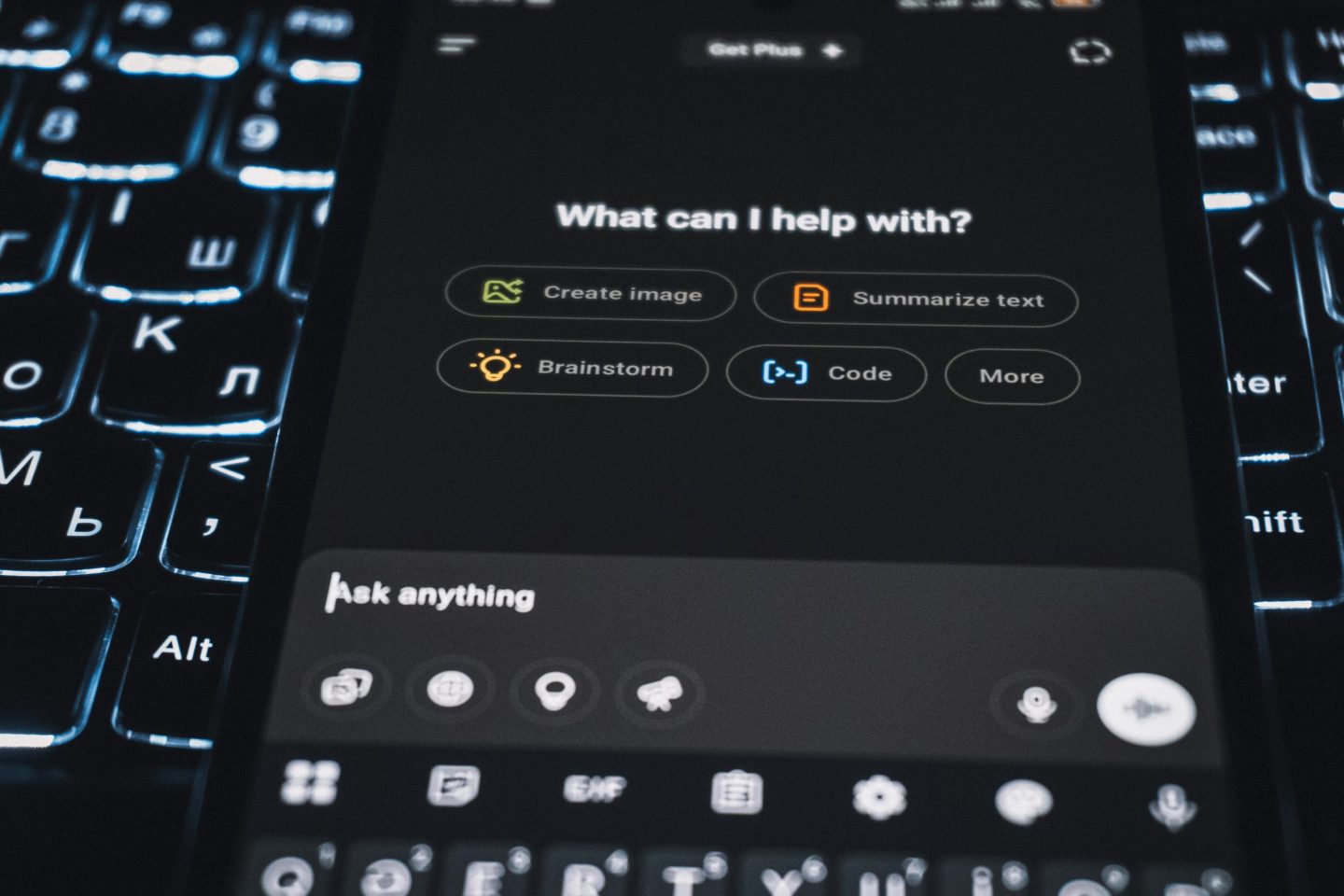
(Photo by Zulfugar Karimov)
See also: OpenAI building GitHub alternative for developer toolchains
Want to dive deeper into the tools and frameworks shaping modern development? Check out the AI & Big Data Expo, taking place in Amsterdam, California, and London. Explore cutting-edge sessions on machine learning, data pipelines, and next-gen AI applications. The event is part of TechEx and co-located with other leading technology events. Click here for more information.
DeveloperTech News is powered by TechForge Media. Explore other upcoming enterprise technology events and webinars here.
[ad_2]