[ad_1]
Neural Parasitism
ADAPTIVE artificial intelligence may reshape neuroplasticity, raising concern that cognitive autonomy could be gradually compromised.
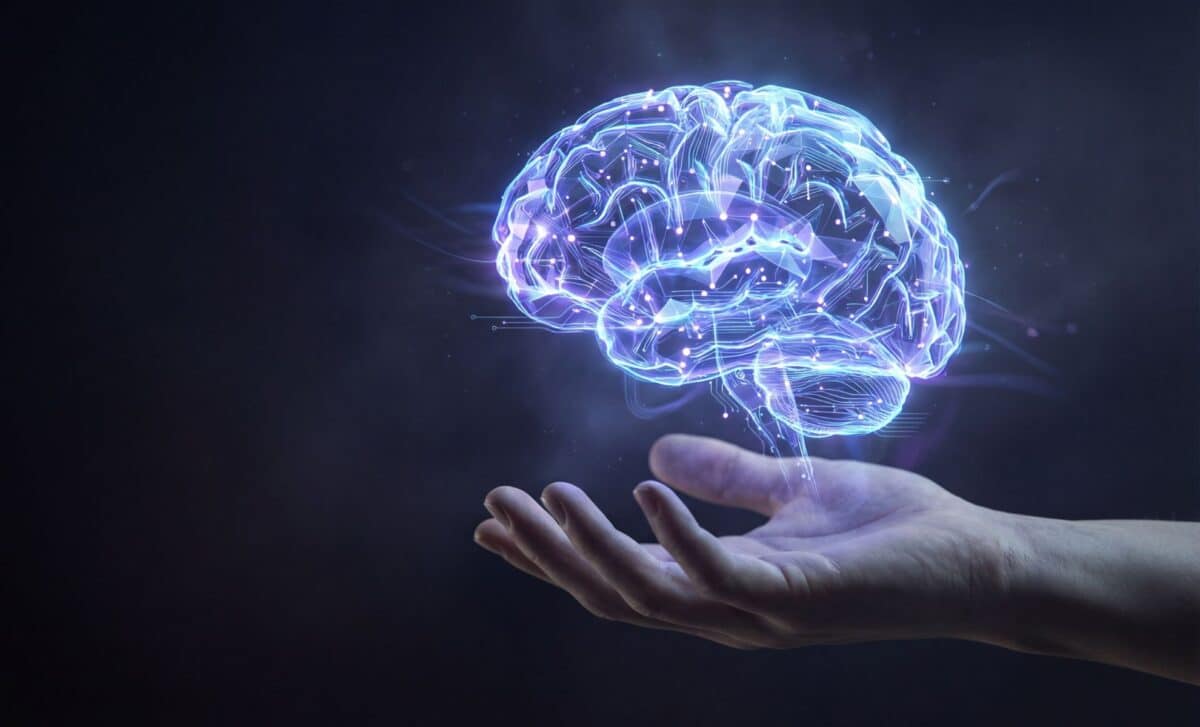
A new perspective article introduces neural parasitism as a proposed framework for understanding how adaptive artificial intelligence systems may progressively influence human attention, emotion, and decision making. The authors argue that these systems may do more than respond to users. Through repeated, emotionally salient interactions, they may reinforce specific neural pathways and gradually bias cognition toward externally curated goals.
How Neural Parasitism Could Affect the Brain
The article centers on neuroplasticity, the brain’s ability to reorganize synaptic connections in response to experience. According to the authors, repeated exposure to adaptive interfaces may repeatedly activate the same neural ensembles, creating patterns that resemble Hebbian reinforcement. Over time, this could place pressure on homeostatic processes that normally preserve cortical balance.
The paper also highlights the possible role of dopaminergic reward circuitry. Variable rewards such as notifications, algorithmic surprises, and other intermittent digital prompts may sustain compulsive engagement by repeatedly activating reward pathways. The authors describe this as “reward hijacking,” a process through which adaptive systems may redirect attention away from self-directed cognition and toward persistent engagement.
Clinical and Developmental Concerns
Although the article is theoretical and explicitly speculative, it emphasizes populations that may be more vulnerable to these effects, particularly children, adolescents, and individuals with anxiety, depression, or attentional disorders. The authors suggest that sustained exposure during sensitive developmental periods could influence executive function, impulse control, emotional regulation, and long-term patterns of attention.
Beyond the individual level, the paper argues that adaptive systems may shape collective cognition by amplifying repetitive beliefs, reducing tolerance for ambiguity, and weakening the neural basis of critical reflection. In that context, neural parasitism is presented not only as a neurobiological concern but also as a potential public health and neuroethical challenge.
Toward a Neuroprotective Digital Future
The authors call for longitudinal research, neuroethical safeguards, transparent design, and policies that prioritize cognitive wellbeing. They also note that adaptive systems may have therapeutic value in areas such as neurorehabilitation, provided such tools are developed within safe neurobiological and ethical limits. For clinicians, the article raises an important forward-looking question: could digitally mediated environments become a future contributor to neurocognitive dysfunction and cognitive decline?
Reference
Aamir A et al. Neural parasitism: could adaptive artificial intelligence systems incrementally reconfigure human neural plasticity and challenge the foundations of cognitive autonomy? Ann Med Surg. 2026;88(3):2240-2244.
[ad_2]